26 November 2026
How to Restore Old Pebblecrete Driveways with High Pressure Water
Presented by @josuewfax200
Pebblecrete is a popular driveway choice across Rockhampton and Central Queensland, and for good reason. It is durable, slip-resistant and handles the Capricornia heat well. But after years of sun, tropical downpours, vehicle drips and organic growth, even a well-laid pebblecrete driveway can look tired, stained and patchy. The good news is that high pressure water cleaning can bring most old pebblecrete surfaces back https://marcojhat343.tearosediner.net/algae-vs-mould-on-outdoor-surfaces-spotting-the-difference to life without the cost of replacement. This guide explains how the process works, what to watch for, and how to get the best result.
Why Pebblecrete Driveways Deteriorate in Rockhampton
Rockhampton's climate is tough on exposed concrete surfaces. Hot, humid summers, intense UV and heavy wet-season rainfall create ideal conditions for dirt build-up and biological growth. Understanding what is affecting your driveway helps you choose the right cleaning approach.
Mould, Algae and Lichen
Shaded sections of a driveway, particularly near trees, fences and the south side of the house, tend to hold moisture. This encourages black mould, green algae and lichen to take hold in the textured surface of the pebbles. Left alone, these growths make the driveway slippery and can leave deep staining.
Oil, Grease and Tyre Marks
Vehicles leave behind oil drips, brake dust and rubber marks, especially in the parking area and near the garage. Pebblecrete is porous in the sealer-free cement between the stones, so these contaminants can soak in over time.
Rust, Tannin and Organic Stains
Fallen leaves, mango and other fruit, and flowers release tannins that stain the surface. Rust marks can come from metal furniture, garden products or irrigation water with a high iron content.
Worn or Failed Sealer
Many pebblecrete driveways were sealed when first installed. Over time the sealer wears away, turns cloudy or peels, which leaves the surface more exposed to staining and makes it look dull.
Is High Pressure Cleaning Safe for Pebblecrete?
Yes, when it is done correctly. Pebblecrete consists of small aggregate stones set into a cement matrix, and the biggest risk is blasting out the cement bonding the stones in place. Too much pressure, a nozzle held too close, or a narrow zero-degree jet can dislodge pebbles and leave a rough, pitted finish that cannot be easily repaired.
Driveways in good structural condition handle professional cleaning very well. If you notice loose pebbles, crumbling edges or large cracks, repair these first or have the area assessed before any pressure cleaning begins.
What You Need Before You Start
If you are planning a DIY clean, preparation matters. Here is a practical checklist of the equipment and supplies that make the job easier and safer:
- A pressure washer in the range of 2,000 to 3,000 PSI (a unit that delivers too much pressure is more likely to damage the surface)
- A fan-tip nozzle, typically 25 or 40 degrees, rather than a pinpoint jet
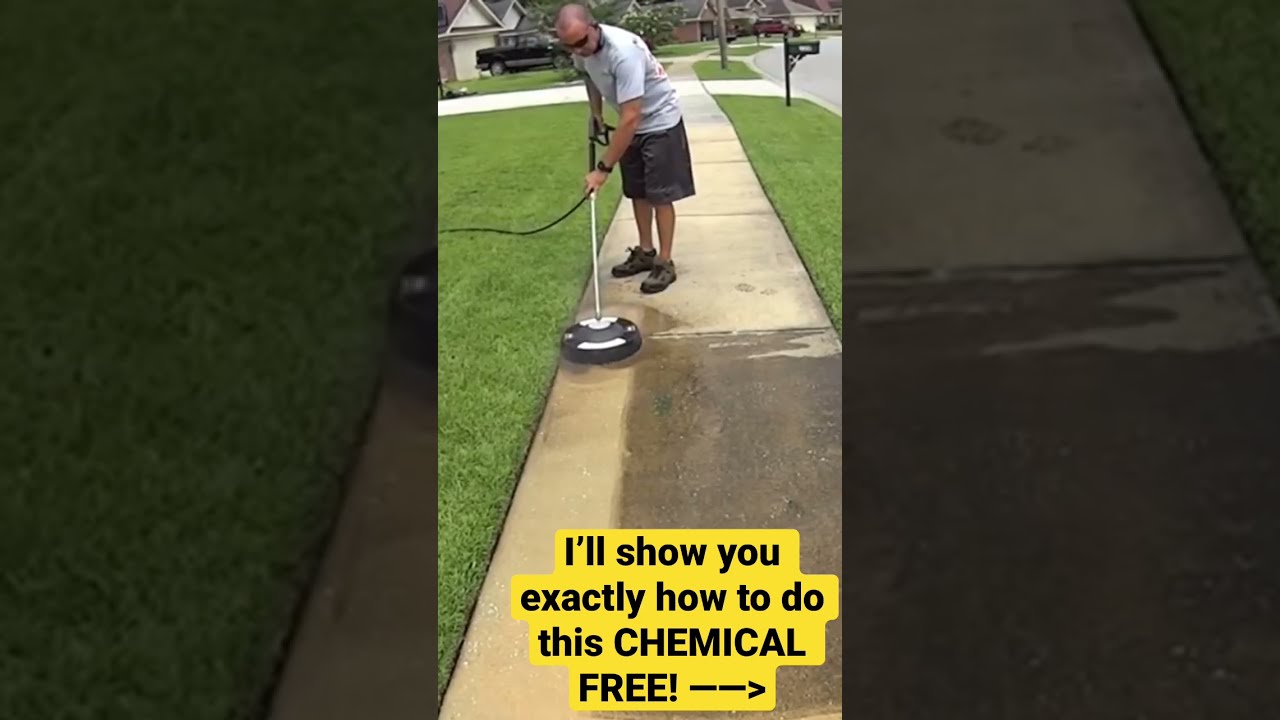
- A surface cleaner attachment for even results on large flat areas
- A driveway-safe detergent or degreaser suitable for concrete
- A sodium hypochlorite-based mould treatment, used according to label directions
- A stiff nylon broom or deck brush for scrubbing stubborn spots
- Safety glasses, closed-in non-slip footwear and waterproof clothing
- Absorbent material such as kitty litter for lifting fresh oil spots
Step-by-Step: Restoring Your Pebblecrete Driveway
Following a consistent process delivers a better and more even result than simply blasting the surface with water. Here is the typical order of work:
- Clear the area. Remove vehicles, bins, pot plants and loose debris. Sweep or blow away leaves, dirt and grit so you are not grinding it into the surface.
- Protect surrounding areas. Cover or wet down nearby garden beds, and be mindful of garage door seals, letterboxes and neighbouring properties where overspray could drift.
- Pre-treat stains. Apply degreaser to oil spots and let it dwell for the time recommended on the product. Scrub with a brush on heavier stains.
- Treat mould and algae. Apply a suitable mould treatment to affected areas and allow it to work. This breaks down biological growth so that the water does not have to do all the work.
- Test a small area. Start with a low-pressure setting in an inconspicuous spot, such as a corner, and check that no pebbles are loosening.
- Wash in even, overlapping passes. Keep the nozzle a consistent distance from the surface, usually 20 to 30 centimetres, and work in a steady sweeping motion. A surface cleaner attachment helps avoid stripes.
- Rinse thoroughly. Flush away all detergent and loosened grime, working downhill so that dirty water drains away from the cleaned section.
- Allow to dry completely. Before resealing, the driveway must be fully dry. In Rockhampton's warm conditions this often takes one to two days, but humidity and shade can slow it down.
Common Mistakes to Avoid
Using Too Much Pressure
More pressure does not mean a better clean. Excessive force can strip the cement paste, expose the base of the pebbles and leave them loose. Let detergents and dwell time do some of the work.

Holding the Nozzle Too Close
Holding the wand within a few centimetres of the surface creates stripes, etching and uneven patches. Maintain a steady distance and consistent speed.
Skipping Pre-Treatment
Water alone will not remove deep oil stains or the roots of mould. Pre-treating gives you a far more even finish with less pressure.
Cleaning in Full Midday Sun
In Rockhampton's heat, detergents can dry on the surface before you rinse them off, leaving residue and marks. Early morning or late afternoon is usually the best time to clean, and it is also more comfortable for you.
Resealing: Protecting Your Investment
Cleaning is only half of a proper restoration. Once the driveway is clean and dry, applying a quality sealer helps lock in the refreshed appearance and makes future cleaning easier. A sealer also reduces how readily oil, tannins and moisture penetrate the surface.
Choosing a Sealer
Pebblecrete sealers generally fall into two categories:
Penetrating sealers soak into the surface and protect from within, leaving a natural, matte look. Film-forming sealers, such as acrylic or polyurethane types, sit on top and typically deliver a richer, wet-look finish that brings out the colour of the stones. If you choose a film-forming product, ask about slip-resistance additives, especially for sloped driveways, as a glossy surface can become slippery when wet.
Application Tips
Apply sealer in thin, even coats using a roller or low-pressure sprayer, and avoid pooling in low spots. Follow the manufacturer's guidance on weather conditions, drying time and when vehicles can drive on the surface. Applying sealer to a damp driveway can cause cloudy or milky patches, so patience matters here.
Environmental and Local Considerations
Wash water carries detergent, oil residue and sediment, and in Queensland it should not be allowed to flow freely into stormwater drains, which lead to local waterways. Where possible, direct runoff onto lawn or garden areas that can filter it, use biodegradable products, and collect and dispose of heavily contaminated water appropriately. Water use is also worth thinking about during dry periods. Check for any current water restrictions that may apply in the Rockhampton region before you begin, and consider a pressure washer or surface cleaner that uses water efficiently.
When to Call a Professional
DIY cleaning suits many homeowners, but there are times when hiring a professional makes more sense:
- The driveway is large, steep or has multiple levels
- There are deep, long-standing oil or rust stains
- Pebbles are already loose or the surface is crumbling
- You want a consistent, streak-free finish without hiring or buying equipment
- The old sealer is peeling and needs to be removed before reapplication
- You are preparing a property for sale or rental inspection
Professional cleaners use commercial-grade equipment, rotary surface cleaners and experience with different surface conditions. This often leads to a more even result and less risk of damage. When choosing a provider in Rockhampton, ask whether they are insured, what pressure settings they use on pebblecrete, how they manage wastewater, and whether they offer resealing as part of the job.
How Often Should You Clean and Reseal?
In Rockhampton's climate, most pebblecrete driveways benefit from a clean every 12 to 18 months, with shaded or high-traffic driveways sometimes needing it more often. Resealing is typically recommended every two to five years depending on the product used, how much sun and traffic the surface receives, and how well it has been maintained. Light, regular upkeep such as sweeping, removing leaves promptly and treating spills quickly can extend the time between full restorations.
Final Thoughts
Restoring an old pebblecrete driveway with high pressure water is one of the most cost-effective ways to improve your home's street appeal. The keys to success are using the right pressure, pre-treating stains, rinsing carefully, allowing full drying time and finishing with a good-quality sealer. Whether you tackle the job yourself or bring in a local professional, a well-executed clean can take years off the look of your driveway and help protect it against Rockhampton's demanding weather for seasons to come.
Rockhampton Pressure Cleaning Pros
(07) 4065 8492